The Uncommon Sense Book Club
The Uncommon Sense Join the club
A thinkers' book club by Carlz J SödaTwelve books · Twelve months

The Uncommon Sense Book Club

Reads that will expand the architecture of your mind.

One challenging book a month, delivered to your door with a box of proper study tools, a weekly guide through the chapters, a community reading the same pages as you, and a monthly online catch-up with me to pull it all apart.

Join for A$89 a month → See how it works ↓ Founding membership · 50 places
Why I'm doing this

Why this book club exists

There's a literacy crisis unfolding across Australia and the Western world, and it starts young. About one in three Australian school students are not mastering the reading skills they need1, and plenty of the adults around them stopped reading the day they left school, or haven't picked up anything challenging since.

Mortimer Adler made the point decades ago in How to Read a Book. Most people leave school able to read at only the most basic level and never learn to read analytically, which means following an argument, testing it and working out what a text actually says. That skill has to be earned and then practised, like a muscle, and a muscle you stop using wastes away.

You can see the result in almost any online debate. So many people struggle to take in information and build an argument in reply, so they reach for how something makes them feel instead. When you can read a text closely and know exactly what it says, as opposed to what you're inferring it says, you gain a level of control over your emotions that very little else can give you.

People can keep worrying about the literacy crisis, or they can take ownership of it. You can save every clever post to a folder you'll never open again and tell yourself you'll come back to it, and another year goes past and nothing has changed. I can't do the reading for you and I can't do the work for you, but I can give you every tool I have and set you up to start compounding those one-percenters.

None of this came naturally to me, and I need that to be clear. I still struggle with a wavering focus and I still struggle with spelling. I force myself to read books outside my wheelhouse, and right now that means Plato, Aristotle and Hannah Arendt, which are not easy reads and were never meant to be.

Carly at her desk, annotating a book with a pen and highlighters
The ruleYou are the sum of the small things you do.
Who it's forFor people ready to take ownership of how they think, and of the way they show up in the world.

1. Grattan Institute, The Reading Guarantee: How to give every child the best chance of success, 2024.
What you're really learning

Build life skills, one book at a time

Yes, you get to read the books, but what the curriculum is really designed to do is give you the skills you'll use for the rest of your life, with each book building on the last one for the whole year.

The skill
Season oneSeason twoSeason threeSeason four
010203040506070809101112

Vocabulary and pronunciation

Collect new words, learn how to say them and memorise them so they become part of how you speak.

From book 01

Reading prose closely

Follow long sentences and dense paragraphs without losing the thread.

From book 01

Guided discussion

Test your thinking out loud with people who will tease those thoughts out of you, and learn to say what you mean with clarity.

From book 01

Subtext and nuance

Read between the lines and learn to hold two ideas in your head at once.

From book 04

Critical frameworks

Recognise persuasion, power and the techniques being used on you.

From book 07

Building an argument

Weigh the evidence on both sides and defend a position with reason.

From book 10

Each bar starts in the month that skill is introduced and keeps building all the way to month twelve, because every book adds to what the last one taught you.

12challenging books
48weekly chapter guides
48weekly talk-throughs
12guided discussions
100+hours of reading, at two to three hours a week
How it works

Build your library over twelve months, one book at a time

01

Join the club

Are you sick of feeling like you're falling behind, or like everyone else got the memo on how to sound sharp and you missed it? This is where you catch up and then pull ahead. You'll be challenged each month, surrounded by peers who want exactly what you want: a sharper mind and the words to back it up.

02

Your box arrives

Each month you get your book, a beautifully presented essay from me on its themes and how they play out in the world right now, and your study tools. Your first box includes the full starter kit, so you're ready from page one. It's designed to help you settle into a rhythm, so the first month feels exciting rather than intimidating.

03

This is where you commit

This book club asks you to commit to two to three hours of reading a week. I can give you the book and the tools, but I can't open it for you. If you're after light, escapist reading, this probably isn't the club for you, and that's fine. If you're ready to do the work and show up, you'll fit right in. By joining, you're making that commitment to yourself.

04

Follow the weekly guide

Each book is broken up into four weeks, and each week you get a short guide to that week's chapters, the ideas and themes to look for, and the words worth keeping. If you read ahead, even better.

05

Watch the weekly talk-through

Each week I record a talk-through of the chapters you've just read, pulling out the big ideas in plain language and the occasional ridiculous analogy, so nothing slips past you.

06

Meet online each month

Grab a cup of tea. Once a month we meet online to talk through the book with people who love this as much as you do. You'll hear how other people read it and test your own ideas against theirs.

The average Australian spends around 41 hours a week online, and nearly half of that on social media2. If you think you don't have time, look at the screen time on your phone. I assure you, you can find twenty to twenty-five minutes a day to read.

20minutes a day, whenever you'd normally reach for your phone
30minutes on weeknights, with a cup of tea or before bed
90minutes on Saturday and another 90 on Sunday

2. We Are Social, Australians spend more than a full-time job online each week, 6 November 2025, reporting Digital 2026: Australia.

The year's reading · 4th century BC to 2020

The whole year on one shelf*

01Fahrenheit 451Bradbury
02Reader, Come HomeWolf
03Amusing Ourselves to DeathPostman
04The Picture of Dorian GrayWilde
05Against EmpathyBloom
06The MetamorphosisKafka
07The Art of RhetoricAristotle
08The PrinceMachiavelli
09Brave New WorldHuxley
10The Communist ManifestoMarx · Kengor
11The Power of the PowerlessHavel
12Regarding the Pain of OthersSontag

Swipe or tap the arrows to see the whole year

Months 01 to 03
Who is doing your thinking?
Months 04 to 06
What makes a person valuable?
Months 07 to 09
Who is shaping your future?
Months 10 to 12
What happens when ideas become systems?

*Subject to change. This is an example of a year's reading, and titles may shift before each season begins.

Why these books

Every book is chosen on purpose

Each season asks one question, and its three books come at that question from different directions, so by the end of the season you understand the subject well enough to argue about it. Every book also carries a reading difficulty score out of five, so you know what you're walking into before you open it.

Easy going. You'll fly through it.
Short or story-led, with ideas that linger.
Takes focus. The weekly guide earns its keep.
Dense in places. Read with a pen in hand.
Slow and demanding, read in guided sections.
Season oneMonths 01 to 03
The question

Who is doing your thinking?

Fahrenheit 451
Ray Bradbury · 1953Difficulty 2/5
01

A gripping novel about a society that stopped wanting to read, and the easiest way into the year.

Reader, Come Home
Maryanne Wolf · 2018Difficulty 2/5
02

A neuroscientist explains what screens are doing to the reading brain and how to build one that can move between quick scrolling and deep reading, which is exactly what this club sets out to do.

Amusing Ourselves to Death
Neil Postman · 1985Difficulty 3/5
03

Written before the web, smartphones or social media existed, it explains what happens when entertainment becomes the language of public life, and it reads like a prophecy.

Season one · Why these books
  1. Book 01Fahrenheit 451

    A gripping novel about a society that stopped wanting to read, and the easiest way into the year.

  2. Book 02Reader, Come Home

    A neuroscientist explains what screens are doing to the reading brain and how to build one that can move between quick scrolling and deep reading, which is exactly what this club sets out to do.

  3. Book 03Amusing Ourselves to Death

    Written before the web, smartphones or social media existed, it explains what happens when entertainment becomes the language of public life, and it reads like a prophecy.

Season twoMonths 04 to 06
The question

What makes a person valuable?

The Picture of Dorian Gray
Oscar Wilde · 1890Difficulty 3/5
04

Wilde's only novel asks what happens when appearance counts for more than character, and his wit carries you through every page.

Against Empathy
Paul Bloom · 2016Difficulty 3/5
05

A psychologist argues that feeling someone else's pain can make people worse at doing good, which gives the group plenty to argue about.

The Metamorphosis
Franz Kafka · 1915Difficulty 2/5
06

A man wakes up transformed into a giant bug and discovers his family's love depended on his usefulness, all in one short novella.

Season two · Why these books
  1. Book 04The Picture of Dorian Gray

    Wilde's only novel asks what happens when appearance counts for more than character, and his wit carries you through every page.

  2. Book 05Against Empathy

    A psychologist argues that feeling someone else's pain can make people worse at doing good, which gives the group plenty to argue about.

  3. Book 06The Metamorphosis

    A man wakes up transformed into a giant bug and discovers his family's love depended on his usefulness, all in one short novella.

Season threeMonths 07 to 09
The question

Who is shaping your future?

The Art of Rhetoric
Aristotle · 4th century BCDifficulty 5/5
07

Your hardest book of the year, and you'll be guided through it section by section. It's the founding text on persuasion, so you'll learn to recognise the techniques still being used on you.

The Prince
Niccolò Machiavelli · 1532Difficulty 3/5
08

A short, ruthless guide to holding power that makes you ask how far morality bends when power is at stake.

Brave New World
Aldous Huxley · 1932Difficulty 3/5
09

Huxley imagines people kept in line by pleasure, which lets you test Postman's warning from month three for yourself.

Season three · Why these books
  1. Book 07The Art of Rhetoric

    Your hardest book of the year, and you'll be guided through it section by section. It's the founding text on persuasion, so you'll learn to recognise the techniques still being used on you.

  2. Book 08The Prince

    A short, ruthless guide to holding power that makes you ask how far morality bends when power is at stake.

  3. Book 09Brave New World

    Huxley imagines people kept in line by pleasure, which lets you test Postman's warning from month three for yourself.

Season fourMonths 10 to 12
The question

What happens when ideas become systems?

The Communist Manifesto
Marx and Engels · 1848, read alongside Paul Kengor's The Devil and Karl Marx (2020)Difficulty 4/5
10

Marx's original argument read alongside one of his fiercest modern critics, so you can weigh both sides and decide for yourself.

The Power of the Powerless
Václav Havel · 1978Difficulty 3/5
11

A dissident playwright, later his country's president, explains how systems survive through ordinary people going along with them.

Regarding the Pain of Others
Susan Sontag · 2003Difficulty 4/5
12

A short but demanding final read on what witnessing other people's suffering asks of everyone who looks.

Season four · Why these books
  1. Book 10The Communist Manifesto

    Marx's original argument read alongside one of his fiercest modern critics, so you can weigh both sides and decide for yourself.

  2. Book 11The Power of the Powerless

    A dissident playwright, later his country's president, explains how systems survive through ordinary people going along with them.

  3. Book 12Regarding the Pain of Others

    A short but demanding final read on what witnessing other people's suffering asks of everyone who looks.

A letter from Carly
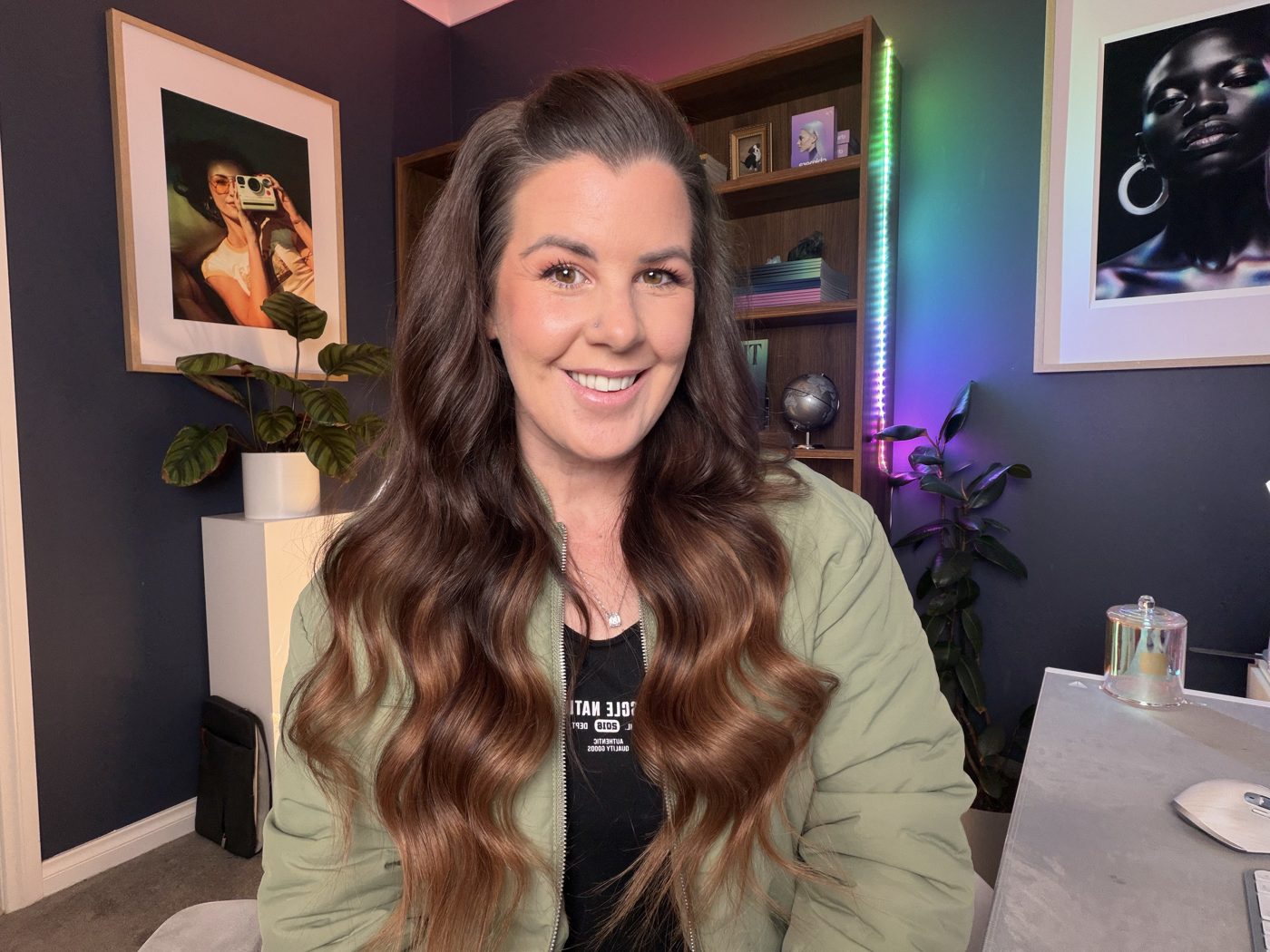
Carly Söderström smiling in her studio

Dear reader,

We're in the middle of a literacy crisis right now, across Australia and the Western world. Fewer people are picking up books, and when you ask them about it, people say that they used to read. They say it the way someone might mention a sport they played as a kid, with a little bit of embarrassment, as though they've just forgotten the habit and never thought to pick it back up.

I am dyslexic, and for a long time a dense page felt really overwhelming for me. I love reading. I love escaping into stories, but the more challenging the books got, if the language was unfamiliar or there was inference or prose that didn't make sense to me, I'd find myself quite trapped in it. I often found myself reading fiction because it was easier to follow.

Over the years, I have been encouraged by some of the best teachers to try different methods and apply different techniques. From high school to now, I've really sharpened the way I read and the way I retain what I've read, and I'm going to teach you some of that in this book club.

For those of you who are avid readers, fantastic. Come and join us. I really look forward to the robust conversations we'll have as we go through these books each month. For those of you who might feel intimidated by this, please don't be, because, by the way, I used to be intimidated by this too. It's only through sheer grit and determination on my part that I've been able to get to where I am.

This isn't something you wake up with. This is earned, and the only way you can earn it is by showing up.

I want this book club to be that for you. There's a real system to reading, particularly non-fiction, and a way of retaining what you read, learning how to digest it and reading books that might actually challenge you (and particularly your views of the world).

This is all incredibly healthy, and I think the more we encourage people to do it, and the more we do it ourselves, the healthier our world becomes. This book club is designed to give you those systems and those tools, and the community of people to argue with once you have. I say "argue with" in jest. These discussions are important, and no one's going to be talking like a poncy academic. No one is here telling you what to conclude. You're going to read Marx alongside his critics, Aristotle alongside Machiavelli, and you'll make up your own mind, which is entirely the point.

I can't wait to have you in there.

Cheers,
Carlz J Söda

What you walk away with

A sharper mind and a bigger vocabulary

Vocabulary

Learn the words

Every month you collect the words that stopped you, learn how to say them, and keep them in WordStash or your journal until they're yours.

Argument

Argue a point

You'll practise disagreeing well, with evidence and good faith, in a community that wants the debate rather than the pile-on.

Ideas

Understand hard things

Persuasion, power, status, empathy, ideology and suffering, explained in plain language and the occasional ridiculous analogy.

Community

Make new mates

People reading the same chapter as you this week, who'd rather talk about Dorian Gray than the weather.

Old-school tools for a tired brain

What's in the box

Every month

The book

Each month you receive a book that's part of that season's topic of discussion.

Every month

My essay

A beautifully presented essay on what the book means for life right now.

Every month

Study tools

Tools to keep you reading, from pens to bookmarks, with the contents changing month to month.

On sign-up

WordStash

The app I built for saving the words you want to keep.

Starter kit

Reading journal

Set up for the study system, so key themes and words don't slip away.

Starter kit

Page tabs

Colour-coded for themes, quotes and words to look up.

Starter kit

A proper pen

Because notes in the margin are how a book becomes yours.

Starter kit

The study system

How to read a hard book, pronounce the words you meet, look them up and remember them.

An investment in your own mind

Why it costs $89

This book club isn't cheap, and that's deliberate. If it were cheap and easy, you wouldn't do it, and you know that as well as I do. You pay a gym to train your body, and this is the same commitment made to your mind. To make this work, you need to invest, and that's why I charge what I do. I need you to want to show up. Your $89 covers all of this, delivery included.

The book

A real book in your hands

Each month's title, bought and posted to you, so all you have to do is open it.

The study plan

Hours of preparation

I read and break down every book before you do, then write the weekly guides, techniques, tips and tricks that get you through it.

The talk-throughs

A guide every week

A weekly video walking you through the chapters you've just read, in plain language.

The box

Tools and an essay

Study tools to keep you reading, and a beautifully presented essay from me on what the book means right now.

The community

Your people

A private Skool group of people working through the same pages and willing to argue about them.

The catch-up

Once a month, online

Grab a cup of tea and talk through the book with everyone, including me.

Think of it as going back to school, except this time you're learning how to read hard books, understand them and grow your vocabulary. Delivery anywhere in Australia is included in the price.

The vision

Think of it as uni, but cool

My vision is to help people become more active readers and more engaged people, people who communicate better, dissect an argument, sit with a difficult idea, see the nuance in it and reflect honestly on themselves. That comes from reading books like these. You can't get it from TikTok and you can't get it from Instagram Reels. You have to engage, and there will be moments when it feels difficult, which is exactly how it should feel.

This first year is a trial, and I want to be upfront about that. If it grows and people really connect with it, I'll bring in people to help run it, along with guest speakers who know these subjects far better than I do, people way above my pay grade. The Uncommon Sense Book Club is the first step towards something much bigger.

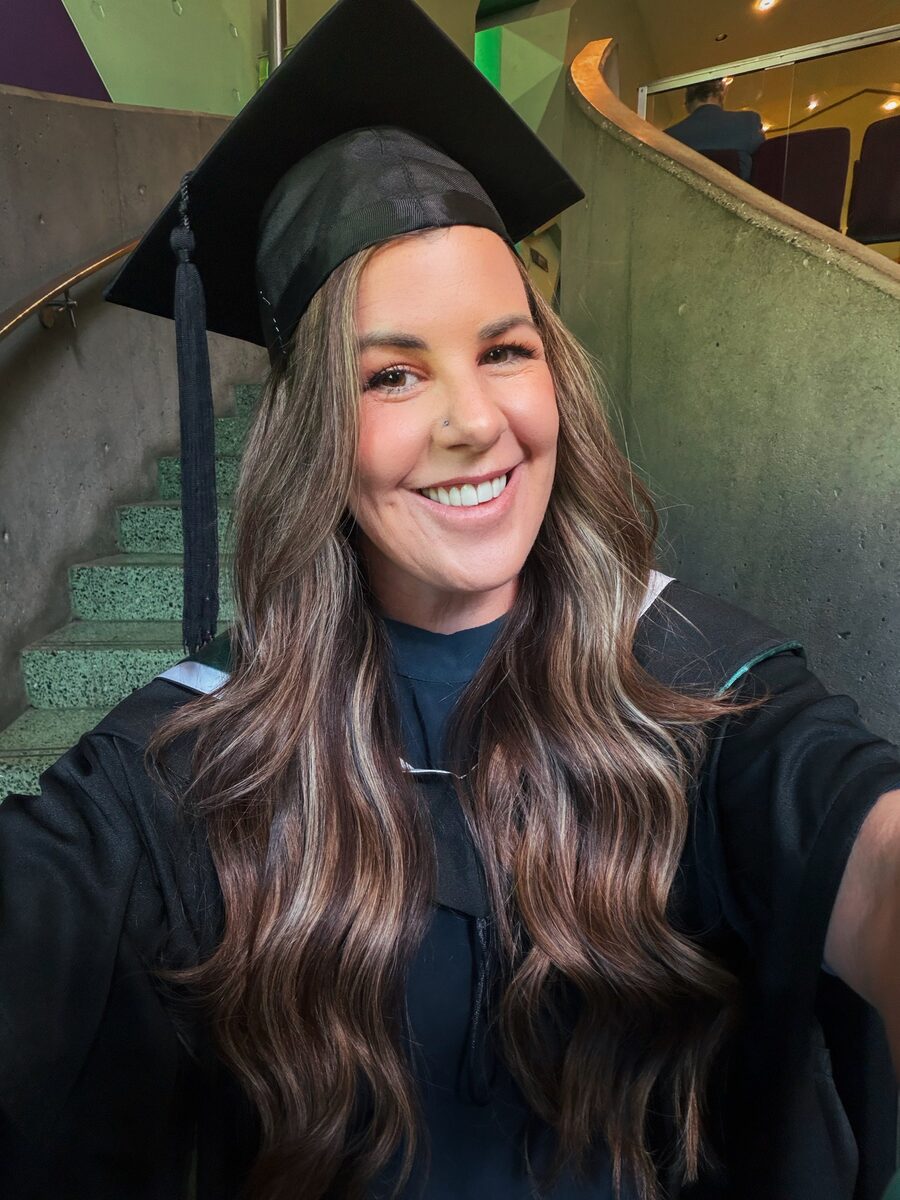
Carly in her graduation cap and gown
Carly at her Master of Arts Photography graduation
Questions

Before you join

I don't have time

Have a look at your screen time and then tell me that again. Two to three hours a week is about twenty to twenty-five minutes a day, which most people already spend scrolling before they've even got out of bed.

Why does it cost $89?

Because it takes real money and real hours to run. Each month covers the book, the box, delivery to your door, the study plan I write for that book, the weekly talk-throughs and the community. A price that asks something of you also makes you far more likely to show up and do the reading.

How does the timing work?

You'll always receive your book a month before the club starts reading it, so you're always a month ahead. If you sign up in December, you're getting January's book. That leaves room for anything that goes wrong, whether it's a mail delay, a lost parcel or you being away when it arrives.

What if my box goes missing or arrives damaged?

Let me know within 14 days of the expected delivery date and I'll replace it. That's part of why your book always arrives a month early.

Can I cancel?

Yes, any time, from the account link in your receipt email. Because books are bought and posted a month ahead, your cancellation takes effect after your next payment, and that payment covers the book already on its way to you. I'd still encourage you to give it at least three months, because the three books in each season are chosen to build on one another.

What if I fall behind?

Come to the monthly catch-up anyway. The weekly guides mean you can pick up wherever you are, nobody is checking page numbers, and hearing the discussion often gets people back into the book.

I haven't read a hard book in years. Is this for me?

It was built for you. The study system starts from the beginning, every book carries a difficulty score so you know what's coming, and nobody in the group is there to make you feel slow. If a sentence stops you, that's the club working.

Can I listen to the audiobook?

Yes, and I'd encourage it if you're finding the text heavy going. Listening while you follow the page is how I learnt to get through the hard ones. It's an optional extra step, so you're never required to buy one.

Do I have to agree with the books?

Not at all. As a matter of fact, some of these books have been chosen precisely to help you learn to counter-argue, to get inside the head of your opponent and to understand ideas that are at odds with your own values and beliefs. The only way to become truly articulate is to be able to stand in the shoes of the person you disagree with. Seeing things from the other side sharpens your own argument, and it's where a lot of people go wrong.

Where does the club happen?

In a private Skool community, where the weekly guides, the talk-throughs, the discussion threads and the monthly online catch-up all live. Your box is posted each month to the address you give when you sign up.

Join The Uncommon Sense Book Club

You already know the feeling of sitting in a conversation and not quite having the words. This is twelve months of fixing that, with the books, the tools, the guidance and a room full of people who want the same thing you do. Everyone arrives at a different level but in the same position. They know it will take real effort, and they've decided it's time to try. If you show up and do the reading, you'll be reading things in twelve months that you wouldn't have picked up today.

Founding membership · 50 places
$89 AUD a month
Includes GST and delivery · Australian addresses only

Fahrenheit 451 ships in early December and the club starts reading it in January. You're charged when you join and on the same date each month after that.

Every month you get

Your book and study tools in the mail, a beautifully presented essay from me, a weekly guide to that week's chapters, a weekly talk-through, the members' community on Skool and a monthly online catch-up with me. Your first box includes the full starter kit, and WordStash is free while you're a member.

You can cancel any time, but please give it at least three months

I completely understand if you want to cancel, and that's fine. If you want this system to work, though, you need to commit to at least a season. The three books in each season are chosen to compound on one another, and after three months you'll be able to see how far you've come and what you've taken from it. Reading one book on its own won't get you there. If you don't feel you can commit to at least three months, it might not be the right time for you to join. Because your book is bought and posted a month ahead, a cancellation takes effect after your next payment, which covers the book already on its way to you.

Founding members

Founding membership is capped at 50, because that's as many people as I can look after properly at the start. If you want to be part of the founding membership, this is your chance. Founding members are there from book one, help shape how the club runs and keep the $89 price locked in for their first twelve months.

Book one · Fahrenheit 451 · Ray BradburyBy joining you agree to the terms · 50 founding places

Let's make being literate cool again

What's next

There are big plans for The Uncommon Sense Book Club, and I look forward to sharing them all with you. I can't wait for you to join me on this journey and see if, together, we can make being literate cool again.

Connect with Carlz

Come and say hello